
Phase Shift | Insight
A simple rule of thumb for sizing monitors.
When it comes to choosing the right display, size matters.
There are plenty of specifications we can talk about when selecting a display: resolution, brightness, viewing distance, mounting height, cost, and accessibility, just to name a few. But before we get into any of that, start with one very simple question:
Think about the experience you are trying to create.
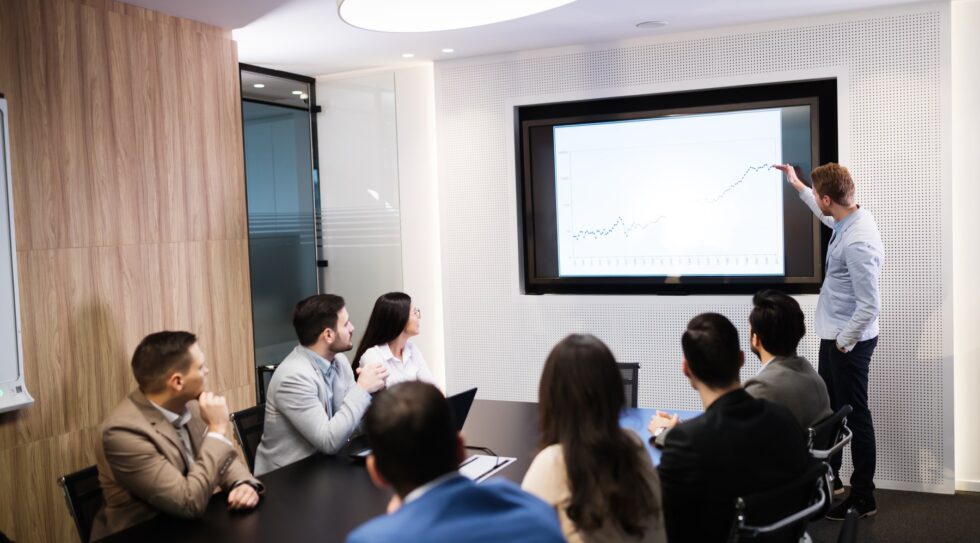
Is this something designed for one person to walk up to? Is it meant for a family or team to huddle around? Or do you want a group of colleagues, or students on a field trip, to be able to see it together?
Once you answer that question, you already have a pretty good starting point for choosing your display size.
Here’s a Simple Rule of Thumb
Start with the number of people you expect to comfortably gather around the display and use that number as the first digit of the display’s diagonal size.
For example, if you expect about four people to use or view the display together, start thinking about displays in the 40-inch range. A 43-inch display might be a great place to begin. If you’re creating a much more personal experience intended for one person, start with the number one. Maybe a 15-inch display makes sense. Designing for six people? Start looking somewhere in the 60-inch range.
Is this a hard-and-fast rule? Of course not.
But that’s really the point. Early in the design process, you don’t necessarily need an exact answer. You need a good place to start the conversation.
People First, Technology Second
One of the easiest mistakes to make is choosing a display simply because it fits the available wall space or because it is a familiar size.
Instead, start by thinking about the people who will actually use it.
As more people gather around a display, they naturally spread out. Some stand farther away. Others may be looking over someone’s shoulder or viewing the screen from an angle. A display that looks perfectly adequate when you are standing alone in front of it can feel very different when a family or small group gathers around.
Begin with the audience, not the wall or product catalog.
Of course, there are other things we will eventually need to consider, including viewing distance, content, resolution, brightness, mounting height, accessibility, and the surrounding environment.
But initially, ask yourself: How many people do I want to see this?
That simple question can get you surprisingly close to the right display size.
And what happens when the audience—and the image—gets much bigger? That is when things get a little more interesting. Viewing distance, field of view, resolution, projection, and direct-view LED may all start entering the conversation. But we’ll save that for next time.

Bryan Abelowitz, CTS-D, Principal
Bryan Abelowitz is a Principal at Phase Shift Consulting with more than three decades of audiovisual design experience. He builds collaborative teams and helps corporate, educational, and cultural clients create technology experiences that enhance how people use a space without distracting from it. As a project executive, he emphasizes client advocacy and successful project outcomes.